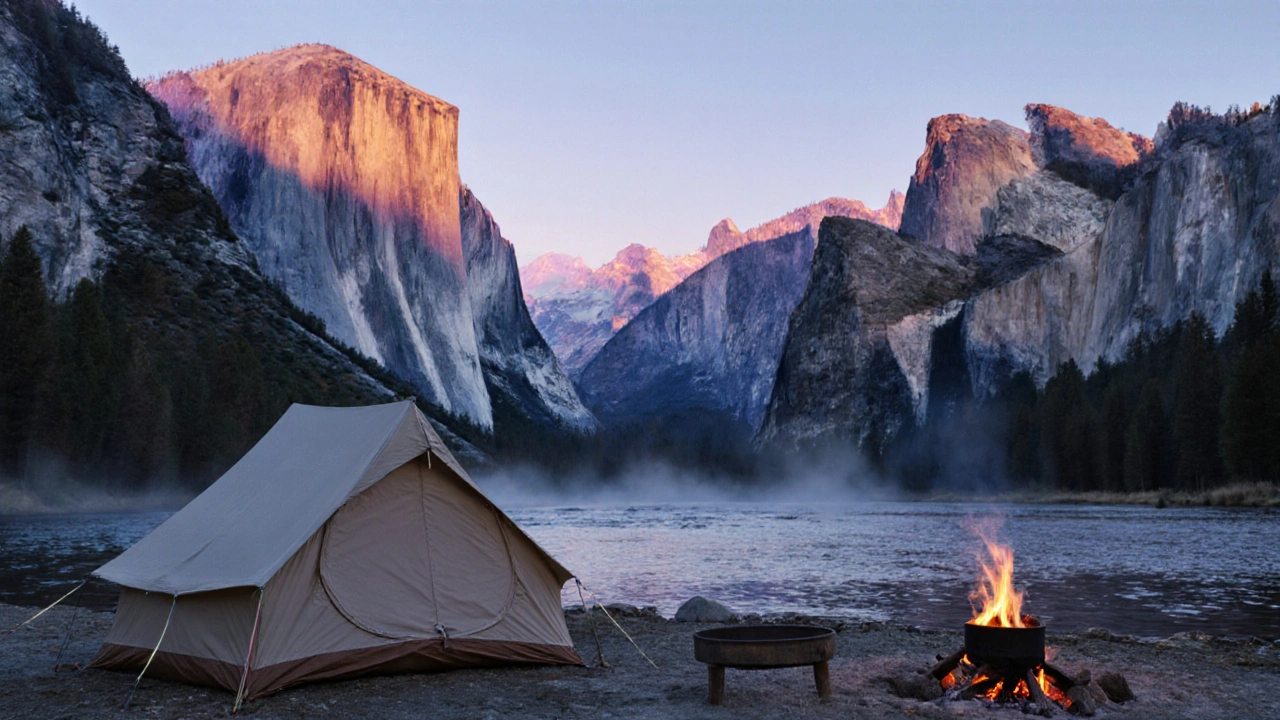
Best Season for Camping in Yosemite National Park (2025 Guide)
Find out which season offers the best Yosemite camping experience. Compare weather, crowds, wildlife, and reservation tips for winter, spring, summer, and fall trips.
Read MoreWhen working with Yosemite reservations, the process of booking a day‑use pass, campsite, or special permit inside Yosemite National Park. Also known as Yosemite permits, it helps the park control crowds and protect the environment.
One of the most common hurdles is the Yosemite peak‑hours reservation, a limited‑time slot that opens for the most popular days and trails. This sub‑entity Yosemite reservations encompasses peak‑hours permits, meaning you must act the moment the daily release hits. The release usually occurs at 7 am Pacific time on the day of the intended visit, and the window closes within minutes. Knowing the exact timing is the first step to success.
The official portal for all these bookings is Recreation.gov, the federal website that handles permit sales for national parks. Recreation.gov requires an account, a valid credit card, and a reliable internet connection. Because the system can lag when demand spikes, many hikers set up a second device or a friend’s browser as a backup. Remember that Recreation.gov is the only place where you can legally secure a reservation; third‑party sites are scams.
Eligibility for certain reservations is also tied to YARTS, the Yosemite Area Regional Transportation System that runs shuttles and buses across the park. If you hold a YARTS pass, you qualify for extra slots during peak‑hours releases. YARTS influences reservation eligibility by granting additional allotments for public‑transport riders, so having a YARTS pass can dramatically increase your chances.
Choosing the right entrance gate is another practical tip. Yosemite has four main entrances—Big Oak Flat, Arch Rock, South, and Highway 140. Each gate feeds different lodging areas and trailheads. If you plan to hike the Mist Trail, the South Entrance is closest; for Glacier Point, the Big Oak Flat gate reduces drive time. Matching your entrance to your itinerary saves fuel and gives you extra wiggle room if you need to adjust plans after a reservation.
Backup plans are essential because even the best‑timed attempts can fail. Keep an eye on the park’s cancellation feed on Recreation.gov—spots open up throughout the day as people change plans. Also, sign up for the park’s alert list; they sometimes release “last‑minute” permits for low‑impact trailheads. Having a flexible itinerary—like swapping a popular hike for a less‑crowded one—keeps your trip alive even if the target reservation slips away.
Finally, remember the practical side of the reservation: bring a printed copy or a saved screenshot, and arrive at the designated entrance gate before the park opens. Rangers check permits at the gate, and a missing reservation can lead to a turn‑back. By following these timing, eligibility, and backup strategies, you’ll walk into Yosemite with confidence. Below you’ll find a curated list of articles that dive deeper into each tip, from exact release clocks to YARTS pass benefits, so you can turn preparation into a guaranteed adventure.
Find out which season offers the best Yosemite camping experience. Compare weather, crowds, wildlife, and reservation tips for winter, spring, summer, and fall trips.
Read More