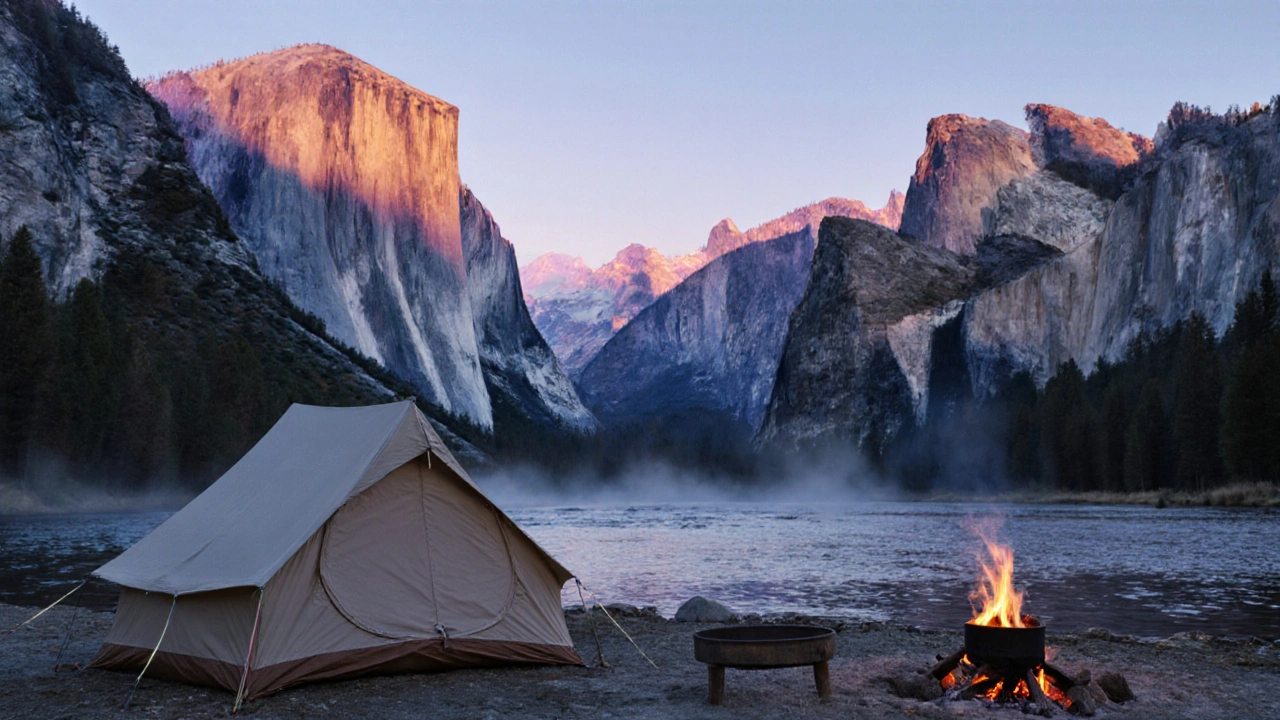
Best Season for Camping in Yosemite National Park (2025 Guide)
Find out which season offers the best Yosemite camping experience. Compare weather, crowds, wildlife, and reservation tips for winter, spring, summer, and fall trips.
Read MoreWhen planning Yosemite National Park camping, the experience of sleeping under giant sequoias and beside crystal‑clear rivers, also known as Yosemite camping, you quickly discover it’s more than just pitching a tent. Campsite reservation system, the online tool that lets you book a spot months in advance determines whether you land a valley floor site or a remote backcountry spot. Fire restrictions, seasonal rules that limit campfires to protect the forest shape what you can do after dark, while Camping gear, the pack of tent, stove, and warm layers you bring decides how comfortable you’ll be when temperatures dip. In short, Yosemite National Park camping encompasses campsite selection, permits, gear, and safety rules, all of which are linked together in a single adventure.
First up, the reservation system. Most popular campgrounds—like North Pines, Lower Pines, and Camp 4—fill up as soon as the calendar opens in February. That means you need a Yosemite campsite reservation before you even think about packing. The system works on a first‑come, first‑served basis, so set an alarm and have your account ready. If you miss the window, consider the walk‑in sites that open on a limited basis in the off‑season; they’re a gamble but sometimes worth the risk.
Next, permits. For backcountry trips, a wilderness permit is mandatory and must be secured through the same reservation portal or at a ranger station. The permit ties directly to your chosen trailhead and night‑by‑night itinerary, ensuring the park can manage impact on sensitive areas. Without it, you could be turned away at the trailhead, so treat the permit as the ticket to the experience you want.
Fire restrictions are the third pillar. In summer, fire bans are common across the high‑country valleys, meaning you’ll need a portable stove for meals. In early fall, some lower‑elevation sites allow a small fire ring, but you still have to follow strict size limits and fully extinguish the blaze before bedtime. Checking the daily fire‑danger rating on the park’s website keeps you from breaking rules and helps protect the forest you love.
Finally, gear. A four‑season tent, sleeping bag rated for 20°F, and insulated sleeping pad are non‑negotiable if you’re heading into the high country. For lower‑elevation camps, a lightweight three‑season setup works fine, but always pack extra layers because Yosemite’s weather can swing from sunny to snow‑filled in minutes. Don’t forget a headlamp, a water‑filter, and a reliable map—GPS can fail, and the park’s cell service is spotty.
These four elements—reservation, permit, fire rule, and gear—create a chain of requirements where each link supports the next. Secure your reservation, then get the permit that matches your route; follow fire rules that match the season, and pack gear that handles the expected conditions. When the chain is complete, you’ll have a smooth, safe, and memorable camping trip.
Below you’ll find a collection of articles that dive deeper into each of these topics. Whether you need a step‑by‑step guide to snag a campsite, a rundown of current fire restrictions, or tips on choosing the right gear for Yosemite’s variable climate, the posts in this list have you covered. Ready to plan your perfect night under the stars? Let’s explore what’s waiting for you.
Find out which season offers the best Yosemite camping experience. Compare weather, crowds, wildlife, and reservation tips for winter, spring, summer, and fall trips.
Read More