How Many Days Should You Spend in Yellowstone? A Practical Guide
Find out the ideal number of days for a Yellowstone visit, with short, medium and extended itineraries, lodging tips, seasonal advice, and a handy FAQ.
Read MoreWhen planning Yellowstone days, the span of time you spend exploring the park, from sunrise hikes to evening wildlife watches. Also known as Yellowstone trips, these days demand smart budgeting, solid lodging choices, and reliable transport. Yellowstone days can be the difference between a stress‑free adventure and a scramble for resources.
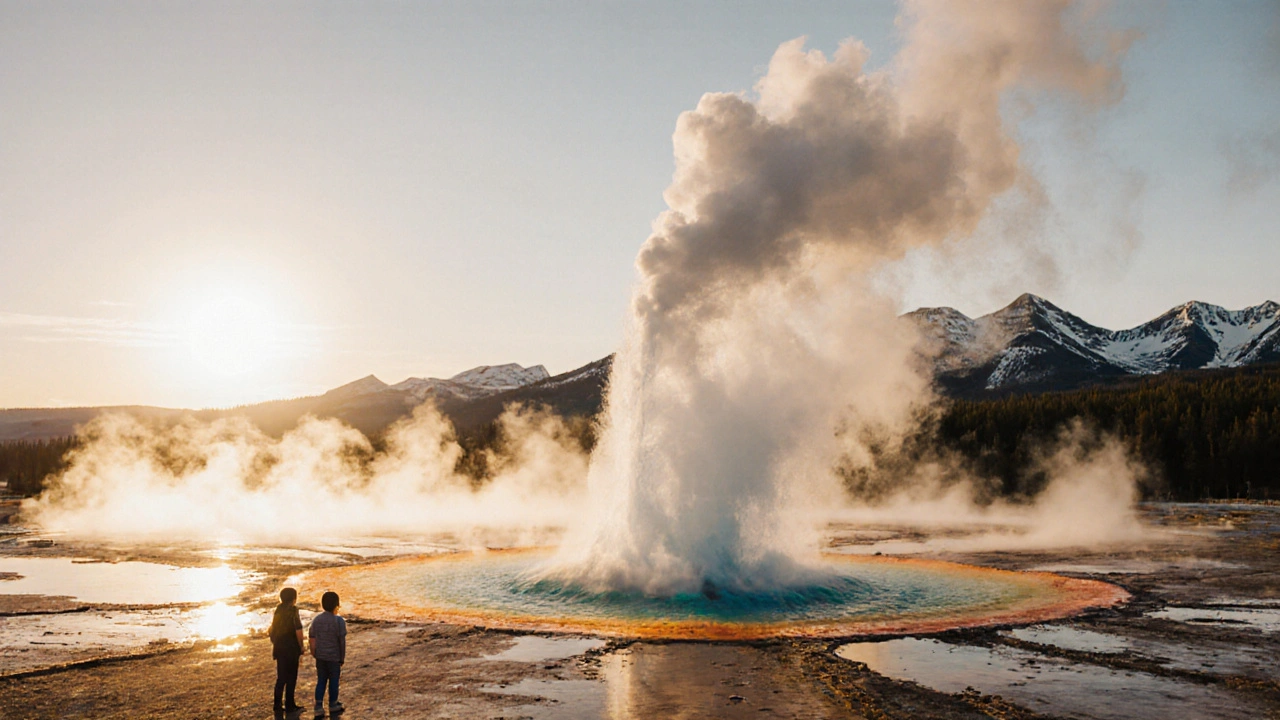
The first element most visitors hit is Old Faithful, the iconic geyser that erupts roughly every 90 minutes and draws crowds from around the globe. Old Faithful influences how you allocate time and money; a short visit around its eruption can save on lodging nights, while a longer stay may require extra fees. Next, consider Yellowstone lodging, the range of hotels, cabins, and campsites inside or near the park that set the base for daily excursions. Prices swing by season, and knowing the seasonal rates helps you fit more activities into each day. Finally, Yellowstone transportation, the mix of personal cars, shuttles, and guided tours that move you between geysers, wildlife zones, and trailheads, determines how many attractions you can realistically hit in a single day.
Putting these pieces together creates a clear semantic chain: Yellowstone days encompass budgeting, lodging, and transport decisions. Budgeting requires knowing Old Faithful costs and seasonal lodging rates. Effective transport influences how many geysers, waterfalls, or hiking loops you can fit into each day. By understanding these links, you can customize each day to match your interests, whether you chase wildlife at Lamar Valley, trek the Grand Canyon of the Yellowstone, or simply soak in hot springs. The posts below dive deeper into each of these topics—cost breakdowns for Old Faithful, tips for finding cheap lodging, and step‑by‑step guides for getting around without a personal car. Use the information to map out your own optimal set of Yellowstone days and turn planning into the first highlight of your adventure.
Find out the ideal number of days for a Yellowstone visit, with short, medium and extended itineraries, lodging tips, seasonal advice, and a handy FAQ.
Read More