Largest US National Park: Size, Location & Facts
Discover why Wrangell‑St. Elias National Park and Preserve is the largest US national park, its size, geography, visitor tips, and how it compares to other massive parks.
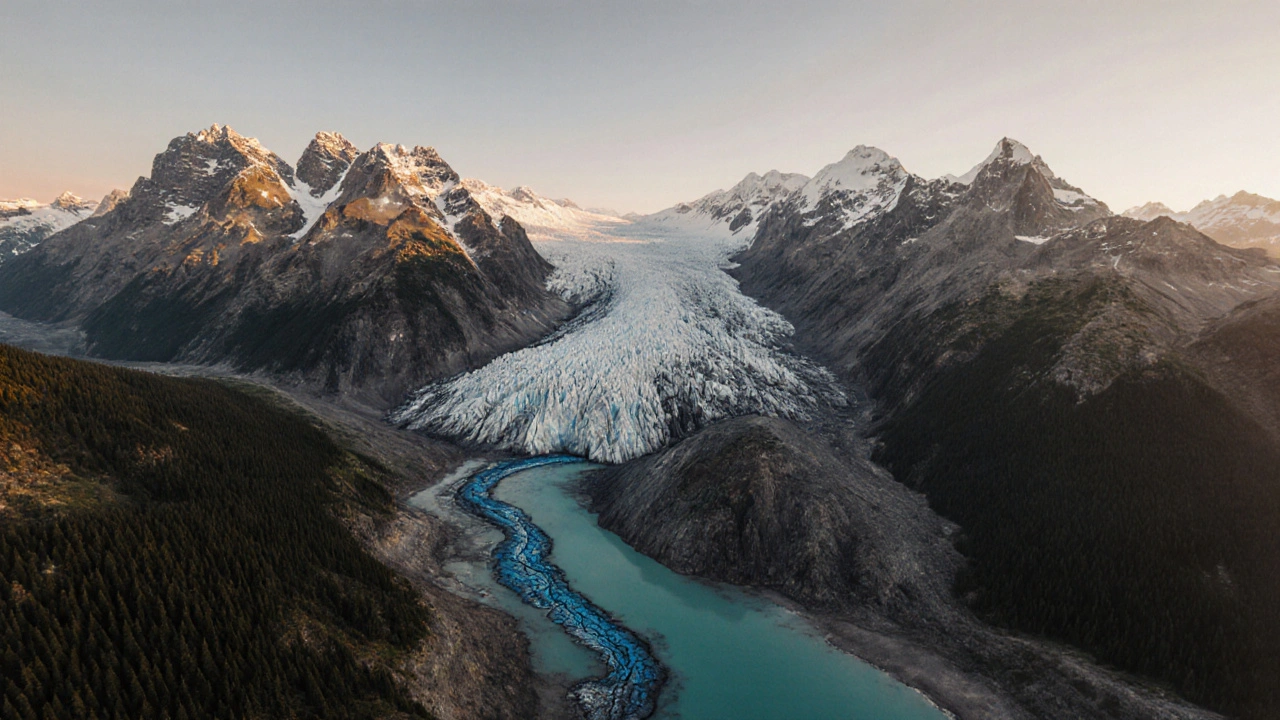
Read MoreIf you’ve ever dreamed of standing in a place where the mountains scrape the sky and the glaciers look like frozen rivers, Wrangell‑St. Elias is the answer. It’s the biggest national park in the lower 48 states, but that doesn’t mean you have to feel lost. Below are real‑world tips that help you get there, move around, and make the most of the wild without spending a fortune.
The park stretches across a huge swath of eastern Alaska, so the first question is: how do you actually reach it? Most visitors fly into Anchorage, rent a sturdy SUV, and drive the 300‑plus miles on the Richardson Highway (Alaska Highway 1). The road is paved for the first 100 miles, then turns to gravel—pack spare tires and bring a map that works offline.
Once you’re on the park’s edge, the real adventure begins. The park has no shuttle service, so you’ll rely on your own vehicle or a guided tour. If you’re on a budget, consider a day‑trip from nearby towns like McCarthy or Kennecott. They offer local outfitters who can drop you off at trailheads for a few dollars. Remember, cell service is spotty, so carry a satellite messenger or an emergency radio.
What to do? Hiking is the star, but you don’t need to summit a 14,000‑foot peak to have a great time. The Root Glacier Trail near McCarthy is a short, well‑marked walk that ends at a stunning glacier view—perfect for photos and a quick break. For a longer trek, try the Kennicott River Trail; it follows the historic copper‑mining town’s river and offers chances to spot Dall sheep.
Wildlife lovers should keep eyes peeled for brown bears, caribou, and golden eagles. Early morning or late afternoon are the best windows. Bring binoculars and stay at least 100 feet away from any animal. If you’re lucky, you might see a rare mountain goat navigating steep cliffs.
Don’t miss the historic sites. The Kennecott Mines National Historic Landmark is a preserved mining camp frozen in time. A short drive from the park’s main road, it offers a free‑guided tour that explains the boom‑and‑bust of early 20th‑century mining.
For the truly off‑the‑radar experience, drive the Nabesna Road (a rough, unpaved stretch) to the Nabesna Glacier. Few tourists go there, and the silence is unforgettable. Pack extra food, water, and a reliable GPS—there’s no help on that road.
When night falls, the park’s remote location makes it a stargazer’s paradise. With almost no light pollution, the Milky Way spreads across the sky. Bring a blanket and a thermos of hot tea; the cold can bite fast.
Finally, respect the land. Pack out everything you bring, stay on marked trails, and follow bear safety rules. The park’s size means it’s easy to feel small, but your actions can keep it wild for the next generation.
Whether you’re a seasoned back‑packer or a first‑time visitor looking for a taste of Alaska’s raw beauty, Wrangell‑St. Elias offers something for every level of adventure. Plan ahead, stay safe, and let the sheer scale of the landscape do the rest.
Discover why Wrangell‑St. Elias National Park and Preserve is the largest US national park, its size, geography, visitor tips, and how it compares to other massive parks.
Read More