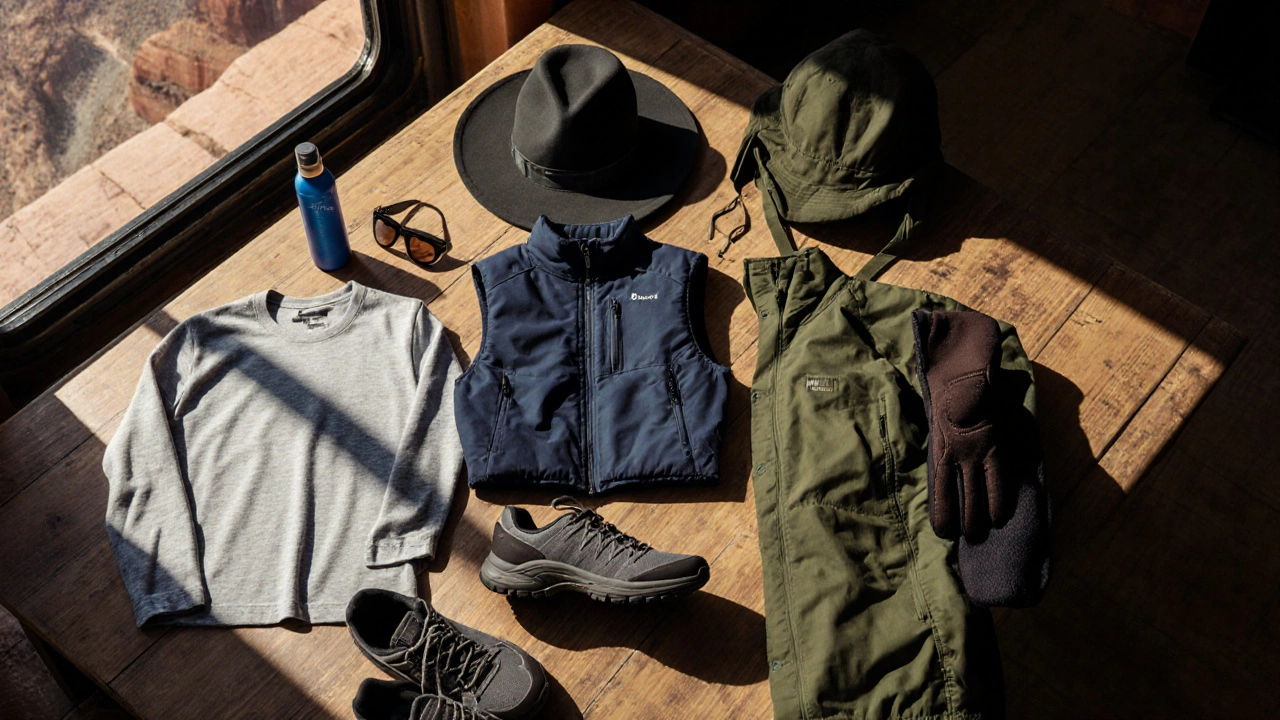
What to Wear in National Parks – Practical Tips for Every Season
When you think about what to wear, the clothing and gear choices for a park visit, the first question is usually comfort versus style. Most parkgoers quickly realize that the right outfit can turn a day of hiking into a hassle‑free experience, while the wrong one can lead to chills, sweat, or even safety issues. This page breaks down the core factors – from weather patterns to trail demands – so you can pick gear that actually works for the environment you’re exploring.
One of the biggest players in the decision‑matrix is the National Park, a protected natural area that offers varied terrain, wildlife, and climate zones. A park in the desert will test your ability to stay cool, while a mountain reserve will push you to layer up against sudden temperature drops. Understanding the park’s typical climate helps you anticipate the range of conditions you’ll face. For instance, a summer visit to Zion can still bring breezy evenings, so a lightweight windbreaker becomes essential. Conversely, a spring trek in Yellowstone demands moisture‑wicking base layers because early showers are common.
Season‑by‑Season Checklist
Seasonal changes dictate three main clothing rules: layer, adapt, and protect.
Layer – Start with a moisture‑wicking shirt, add an insulating mid‑layer, and finish with a waterproof outer shell. This sandwich approach lets you add or remove pieces as the temperature shifts. Adapt – Choose fabrics that breathe when it’s warm and trap heat when it’s cold. Merino wool, for example, works both ways and resists odor. Protect – Sun, wind, and bugs are constant threats. A wide‑brimmed hat shields your face from UV rays, a lightweight scarf can block wind, and a pair of zip‑off pants offers insect protection without overheating.
The next key player is Hiking Gear, the equipment you carry on trails, including footwear, backpacks, and accessories. Proper footwear is non‑negotiable; sturdy boots with good ankle support keep you stable on rocky paths, while trail shoes with aggressive treads are better for flat, well‑maintained loops. Backpacks should be sized to hold your layered clothing plus water, snacks, and a first‑aid kit without sagging. Don’t forget a pair of breathable socks – they can prevent blisters that ruin an otherwise perfect hike.
Beyond the basics, many visitors are now looking at sustainable clothing options. Brands that use recycled polyester or organic cotton reduce environmental impact and often offer performance features like quick‑drying and UV protection. Choosing eco‑friendly gear aligns with the conservation ethos of the park community, so you’re not just dressing for comfort but also for responsibility.
Finally, weather forecasts are your best friend. A quick glance at the park’s daily outlook can tell you if you need an extra fleece or a rain poncho. Apps that provide hourly temperature shifts let you plan outfit changes on the fly. By treating weather as a partner rather than an obstacle, you’ll stay comfortable from sunrise to sunset.
All of these ideas tie together to form a clear roadmap for dressing right in any park setting. Below you’ll find articles that dive deeper into seasonal specifics, gear reviews, and budget‑friendly outfit hacks, giving you the tools to hit the trail fully prepared.