Nearest Town to Yellowstone: Best Bases for Your Visit
When planning a trip to Yellowstone, the world’s first national park, known for geysers, bison herds, and wild rivers. Also known as Yellowstone National Park, it spans over 2.2 million acres across Wyoming, Montana, and Idaho—making it too big to explore from just one spot. That’s why choosing the right nearby town makes all the difference. The nearest town to Yellowstone depends on which entrance you’re using, but the top choices are West Yellowstone, Gardiner, and Jackson Hole—each offering different vibes, lodging, and access points.
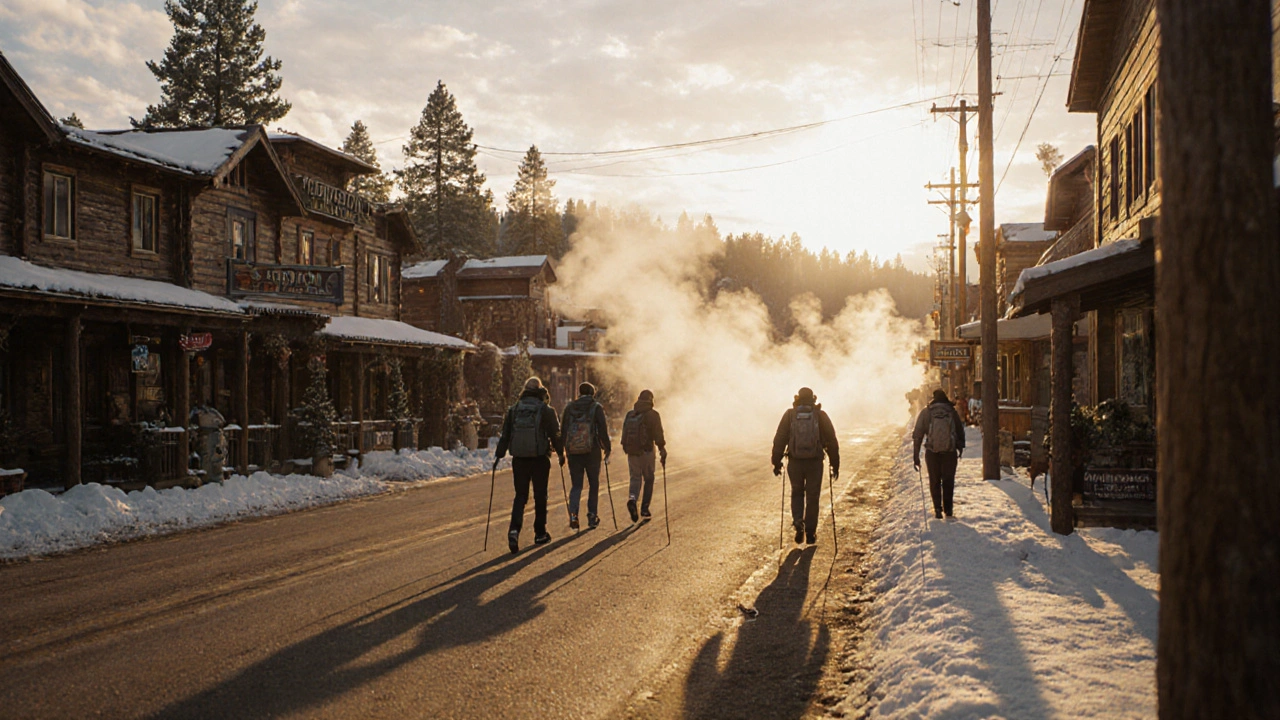
West Yellowstone, a bustling gateway town in Montana, right at the park’s west entrance. It’s the most popular base for first-timers because you can walk straight into the park from Main Street. You’ll find gas stations, grocery stores, and even a visitor center right in town. If you’re coming from Idaho or Utah, this is your logical stop. Gardiner, the historic entrance town in Montana, home to the park’s north gate. It’s quieter, with fewer chains and more local charm. This is the only entrance open year-round, so if you’re visiting in winter for snowmobile tours or seeing bison near the river, Gardiner is your go-to. Then there’s Jackson Hole, a stylish town in Wyoming, near the park’s south entrance. It’s pricier but packed with upscale dining and stunning mountain views. If you want to combine Yellowstone with a trip to Grand Teton, Jackson Hole is your hub.
Most visitors don’t realize how much time they waste driving between entrances. The park is huge—driving from West Yellowstone to the north entrance takes over two hours, even without traffic. That’s why picking one base and sticking to it makes your trip smoother. If you’re short on time, go with West Yellowstone. If you want a quieter, more authentic experience, pick Gardiner. And if you’re planning a luxury getaway or combining parks, Jackson Hole delivers. You’ll find posts here that break down lodging costs at Old Faithful Inn, whether you need a car, and how to avoid crowds. All of it ties back to one thing: knowing where to stay before you even step into the park.