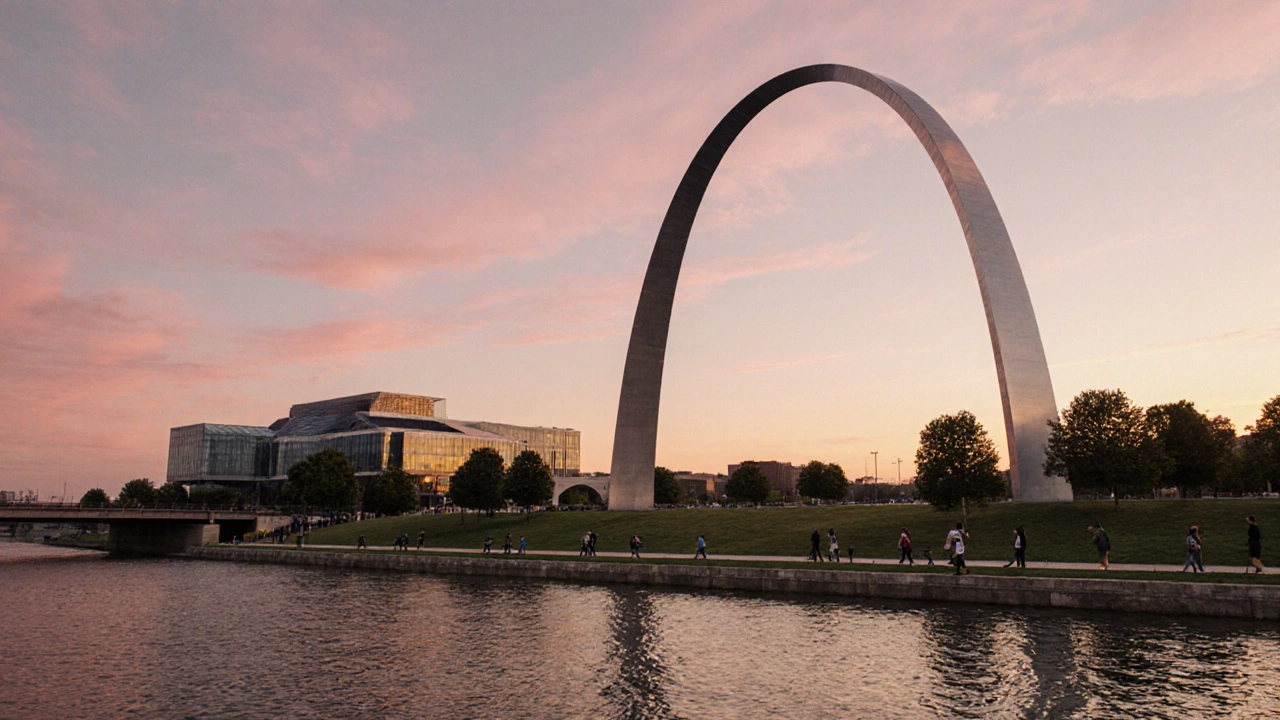
Why the Gateway Arch Is a U.S. National Park - Explained
Discover why the iconic Gateway Arch in St.Louis earned national park status, its history, criteria, visitor benefits, and preservation challenges.
Read MoreWhen discussing national park designation, the formal process that grants protected status to land because of its natural, cultural, or historic value. Also known as park designation, it creates the legal framework for preserving ecosystems and allowing public enjoyment. National park designation is the cornerstone of many conservation strategies across the country.
Think of a National Park, a protected area managed for both preservation and recreation as the end product of the designation process. The designation encompasses detailed ecological criteria, cultural significance assessments, and public interest reviews. Conservation, the practice of protecting biodiversity and natural resources directly influences whether a landscape qualifies; strong conservation outcomes increase the likelihood of approval. Once a park is officially designated, Park Management, the agency or organization responsible for implementing rules, maintenance, and visitor services steps in to enforce the protections, monitor wildlife, and manage visitor impact. In short, designation requires meeting ecological standards, conservation drives the decision, and management carries it out.
Our collection of articles dives into the practical side of this framework. You’ll find a seasonal guide to camping in Yosemite, cost breakdowns for staying at Old Faithful Inn, safety rankings of U.S. parks, and tips for navigating Yellowstone without a car. There’s also insight into the largest U.S. national park, the cheapest ways to explore these spaces, and how park designations affect local communities. Whether you’re planning a trip, budgeting your adventure, or simply curious about how parks get their protected status, the posts below give you clear, actionable information that ties back to the core ideas of designation, conservation, and management.
Discover why the iconic Gateway Arch in St.Louis earned national park status, its history, criteria, visitor benefits, and preservation challenges.
Read More