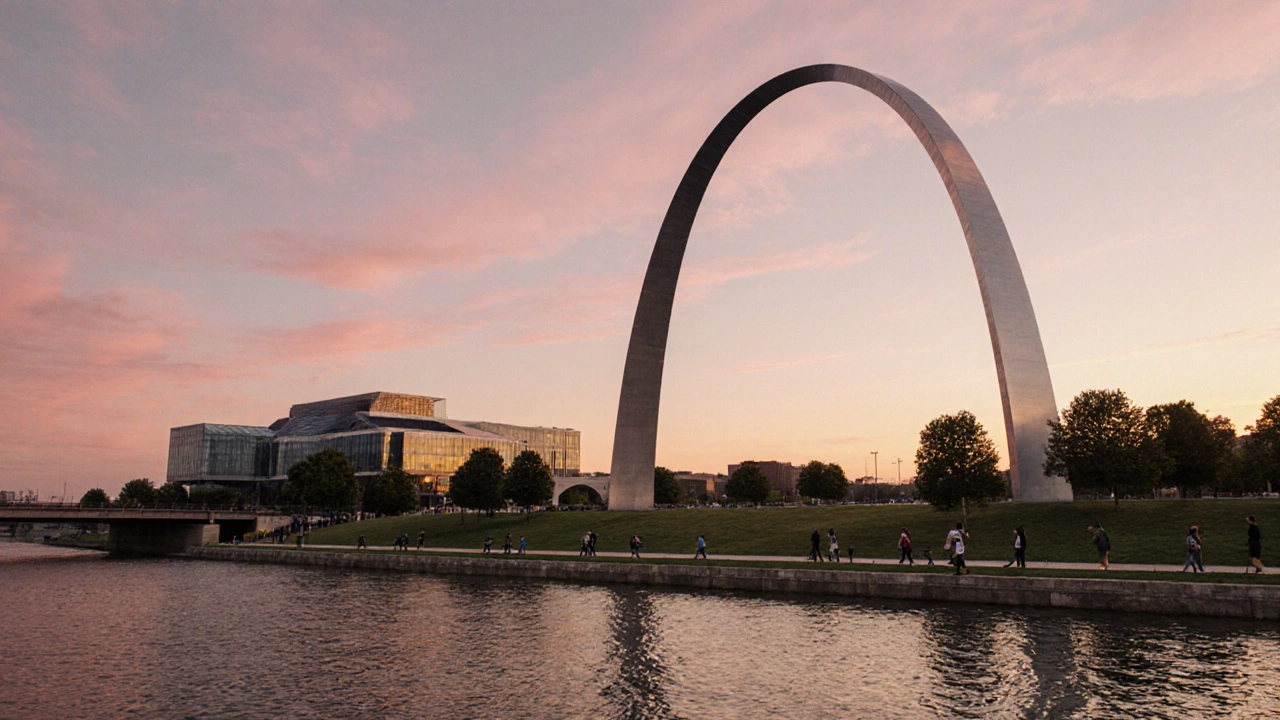
Why the Gateway Arch Is a U.S. National Park - Explained
Discover why the iconic Gateway Arch in St.Louis earned national park status, its history, criteria, visitor benefits, and preservation challenges.
Read MoreWhen you hear the name Jefferson National Expansion Memorial, a landmark that commemorates America’s westward push and sits on the St. Louis riverfront. Also known as Gateway Arch National Park, it brings together history, architecture, and nature under one roof. The Gateway Arch, the 630‑foot steel rib that rises above the park serves as the visual centerpiece, while the National Park Service, the federal agency that manages and protects the site handles upkeep, education, and visitor services. The memorial also sits in St. Louis, a Midwestern city with deep river trade roots, linking the local community to a national story. Together these pieces form a place where history meets preservation, and where tourists get a glimpse of America’s expansion era.
The Jefferson National Expansion Memorial isn’t just a photo backdrop; it’s a living piece of cultural heritage. It encompasses the Gateway Arch, the museum exhibits, and the surrounding parklands, creating a cohesive narrative about exploration, engineering, and environmental stewardship. Ongoing conservation work requires collaboration between the National Park Service, local volunteers, and preservation experts to keep the steel arch rust‑free and the riverbank habitats healthy. St. Louis benefits economically from the steady stream of visitors, turning the site into a hub for heritage tourism and community pride. Educational programs run by park rangers influence school curricula, giving kids a tangible link to the past. The memorial also supports research on historic construction techniques, feeding into broader discussions about sustainable monument maintenance.
Beyond the arch, the surrounding greenspace offers a surprising variety of activities. You can bike along the river trail, join a guided history walk, or simply sit on the lawn and watch the Mississippi glide by. Each experience ties back to the core idea that the memorial connects people to the story of expansion while encouraging them to protect the natural setting that frames the monument. The park’s design also highlights how urban planning can blend cultural landmarks with ecological considerations, a model other cities look to replicate.
For anyone curious about architecture, the arch’s structural system is a case study in engineering bravado. The stainless‑steel ribs form a catenary curve, a shape that distributes weight efficiently and has inspired modern skyscrapers. This engineering marvel illustrates the link between technological progress and the nation’s expansion ambitions. Meanwhile, the museum inside the base houses artifacts, from trailblazer journals to native wildlife specimens, reinforcing the idea that history, nature, and design coexist at this site.
Whether you’re planning a day trip, a school field visit, or a deep dive into preservation practices, the collection of articles below will give you practical tips, cost guides, and insider knowledge about exploring the Jefferson National Expansion Memorial and its surrounding attractions. Dive in to learn how to make the most of your visit, support conservation, and appreciate the layers of meaning built into this iconic American landmark.
Discover why the iconic Gateway Arch in St.Louis earned national park status, its history, criteria, visitor benefits, and preservation challenges.
Read More