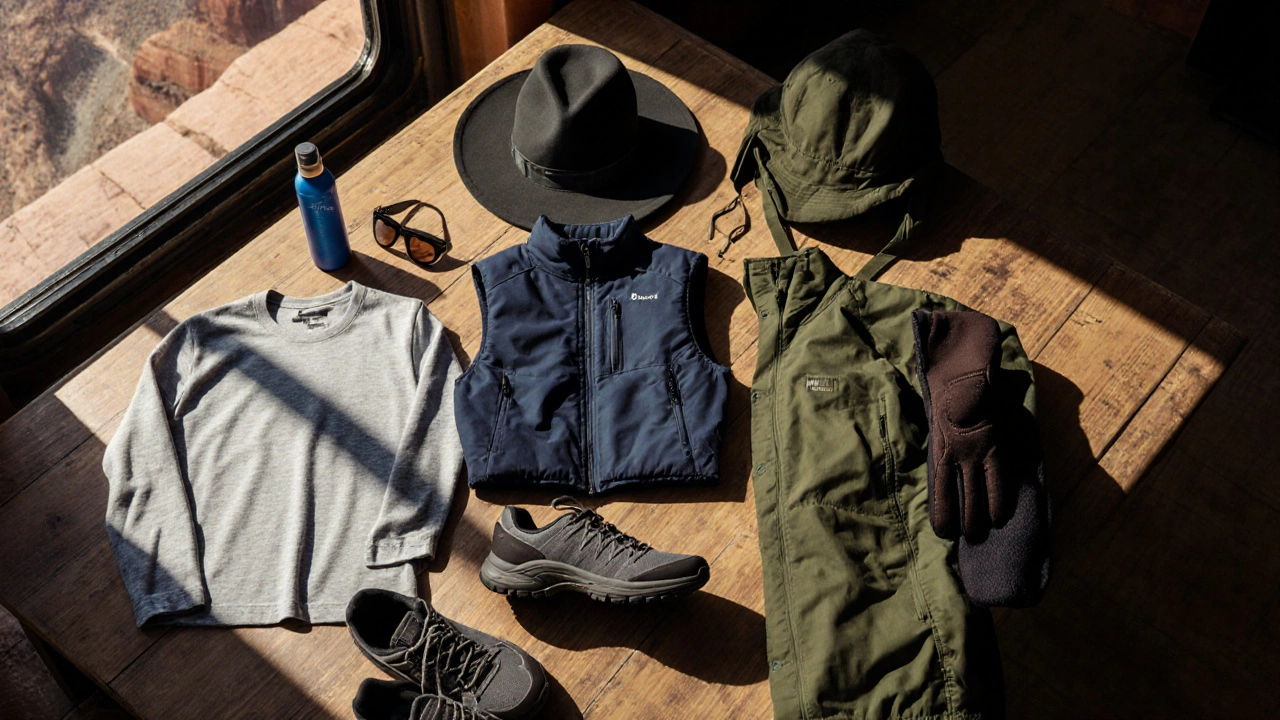
Grand Canyon Weather: What to Expect Year‑Round
When planning a trip, knowing Grand Canyon weather is essential. Grand Canyon weather, the day‑to‑day and seasonal climate conditions that affect the rim and the inner canyon. Also called Canyon climate, it shapes everything from trail accessibility to visitor comfort. Right alongside this central idea, Grand Canyon climate, the broader desert environment characterized by low humidity and high elevation differences determines how quickly temperatures shift from sunrise to sunset. Understanding these two concepts together lets you pick the right gear, schedule hikes, and avoid surprise heat or cold.
Key Factors Shaping Grand Canyon Weather
One of the most useful ways to break down seasonal temperature, the range of highs and lows you’ll see from spring through winter is to look at three main periods: the hot summer stretch, the milder shoulder months, and the crisp winter interval. Summer daytime highs on the South Rim often top 100°F (38°C) while nighttime lows can still hover around 70°F (21°C). In contrast, spring and fall typically swing between 60‑80°F (15‑27°C), offering the most comfortable hiking windows. Winter brings sub‑freezing nights and occasional snow on the rim, which can close roads but also provides spectacular scenery. These temperature patterns directly influence hiking conditions, meaning you’ll need more water and sun protection in June than in October.
Precipitation is another piece of the puzzle. Although the Grand Canyon sits in a desert, monsoon storms surge in late July and August, delivering brief but intense downpours. Desert precipitation, the sporadic rain events that can cause flash floods in slot canyons is unpredictable, so hikers must check storm forecasts before entering narrow passages. Even on clear days, higher elevations collect the most rain, while the inner canyon remains dry. This contrast creates micro‑climates that affect trail safety and campsite selection. Knowing when and where rain is likely helps you avoid dangerous flash‑flood zones and plan safer river crossings.
All these weather elements tie back to visitor safety, the set of precautions and preparations needed to stay healthy and avoid accidents in variable conditions. Heatstroke risk climbs above 90°F (32°C) with low humidity, so carrying at least one liter of water per hour and wearing a wide‑brimmed hat becomes a rule, not a suggestion. On colder days, layered clothing and insulated footwear prevent hypothermia, especially if you’re camping near the rim after sunset. The National Park Service issues daily weather briefings, and many smartphone apps now push alerts about sudden wind gusts or storm front arrivals. By treating weather data as a guide rather than an afterthought, you turn a potentially risky outing into an enjoyable adventure.
Below you’ll find a handful of articles that dive deeper into each of these topics—seasonal temperature guides, monsoon safety tips, gear checklists, and more—so you can match your plans with the exact conditions you’ll face on the trail.