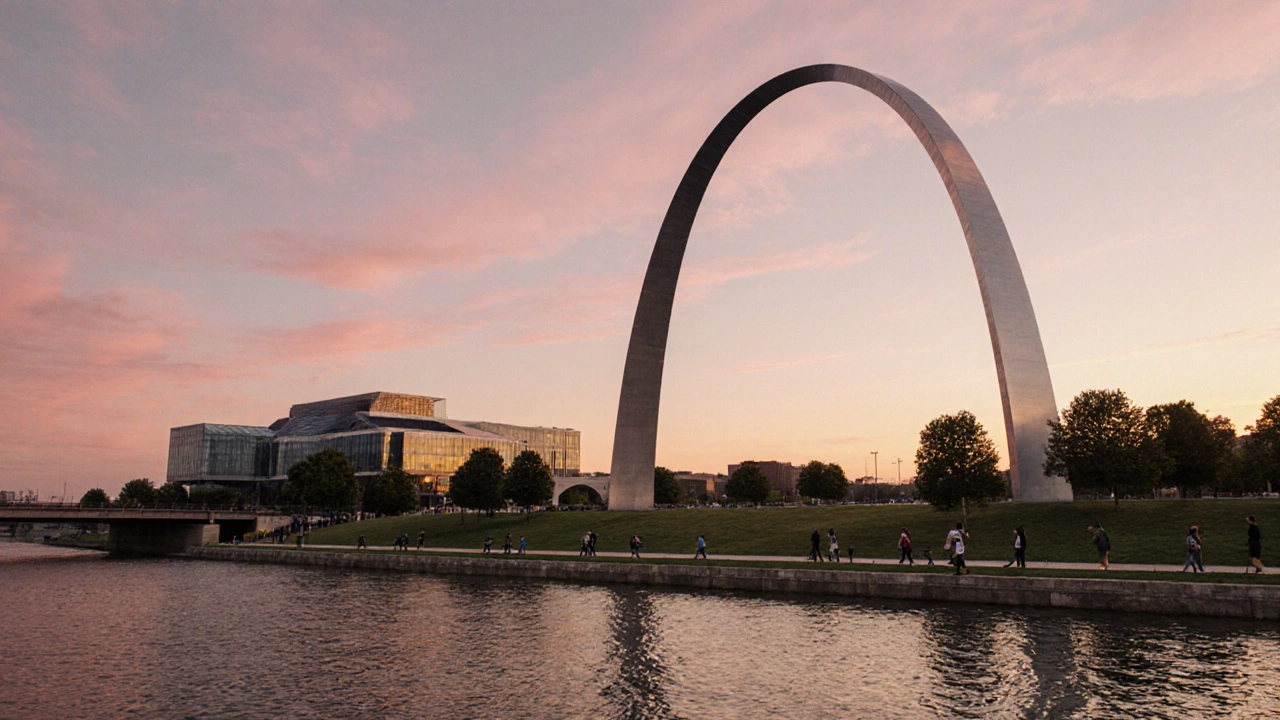
Why the Gateway Arch Is a U.S. National Park - Explained
Discover why the iconic Gateway Arch in St.Louis earned national park status, its history, criteria, visitor benefits, and preservation challenges.
Read MoreWhen talking about Gateway Arch National Park, the 630‑foot stainless‑steel arch that crowns the St. Louis skyline and commemorates westward expansion. Also known as Jefferson National Expansion Memorial, it encompasses historic preservation, riverfront recreation, and iconic design.
Located in St. Louis, Missouri’s largest city and a gateway to the Mississippi River, the park benefits from a vibrant cultural scene, convenient transit, and dozens of nearby museums. The city’s riverfront setting influences visitor experience by offering bike trails, river cruises, and scenic picnic spots that blend urban life with natural beauty.
As a member of the National Parks, the U.S. system that protects natural and historic resources for public enjoyment, Gateway Arch National Park follows the same stewardship principles that guide places like Yellowstone and Yosemite. This connection means the park requires ongoing conservation work, interpretive programming, and accessibility upgrades to keep the arch and surrounding grounds safe for millions of visitors each year.
The arch isn’t just a photo backdrop; it’s a symbol of exploration, engineering, and ambition. Its construction in the 1960s introduced innovative curved steel techniques that later inspired other modern structures. Understanding that legacy helps you appreciate why the park also highlights historic monument, structures that record pivotal moments in American history through exhibits, guided tours, and interactive displays.
Visitors often ask how to make the most of a short trip. A practical tip: start at the museum pavilion, then ride the tram to the apex for panoramic views of the Mississippi River and downtown. After descending, walk the Riverfront Trail to see the historic Old Courthouse, where the Dred Scott case was heard. This route links architecture, history, and natural scenery in under two hours, perfect for weekend travelers.
If you’re into outdoor activities, the surrounding parkland offers more than just the arch. You can rent a paddleboard on the river, join a sunrise yoga session on the plaza, or attend a seasonal fireworks show that lights up the arch’s curve. These experiences show how the park integrates recreation with heritage, giving you a dynamic day that feels both educational and fun.
Planning a visit? Keep the seasonal crowd patterns in mind. Spring brings blooming dogwoods and milder temps, while summer can feel crowded during the Fourth of July celebrations. Fall offers crisp air and stunning river reflections, and winter, though quieter, still allows you to ride the tram and enjoy heated indoor exhibits. Knowing the rhythm of the park helps you pick the best time for your schedule and budget.
Safety is another practical aspect. The park follows a comprehensive safety protocol that includes regular structural inspections of the arch, clear signage on trail routes, and staff trained in first aid. For families, the park provides stroller‑friendly pathways and wheelchair‑accessible tram cars, ensuring everyone can experience the height‑defying view.
Beyond the arch itself, the surrounding Gateway Arch National Park community hosts volunteer clean‑up days, historical reenactments, and educational workshops. Getting involved not only supports preservation but also connects you with locals who share a passion for the region’s heritage.
All these angles—architecture, history, recreation, and community—make the park a versatile destination. Below you’ll find a curated list of articles that dive deeper into seasonal tips, cost guides, travel logistics, and how the arch fits into the broader national park system. Whether you’re planning a quick photo stop or a full‑day exploration, the resources ahead will help you turn curiosity into a memorable adventure.
Discover why the iconic Gateway Arch in St.Louis earned national park status, its history, criteria, visitor benefits, and preservation challenges.
Read More