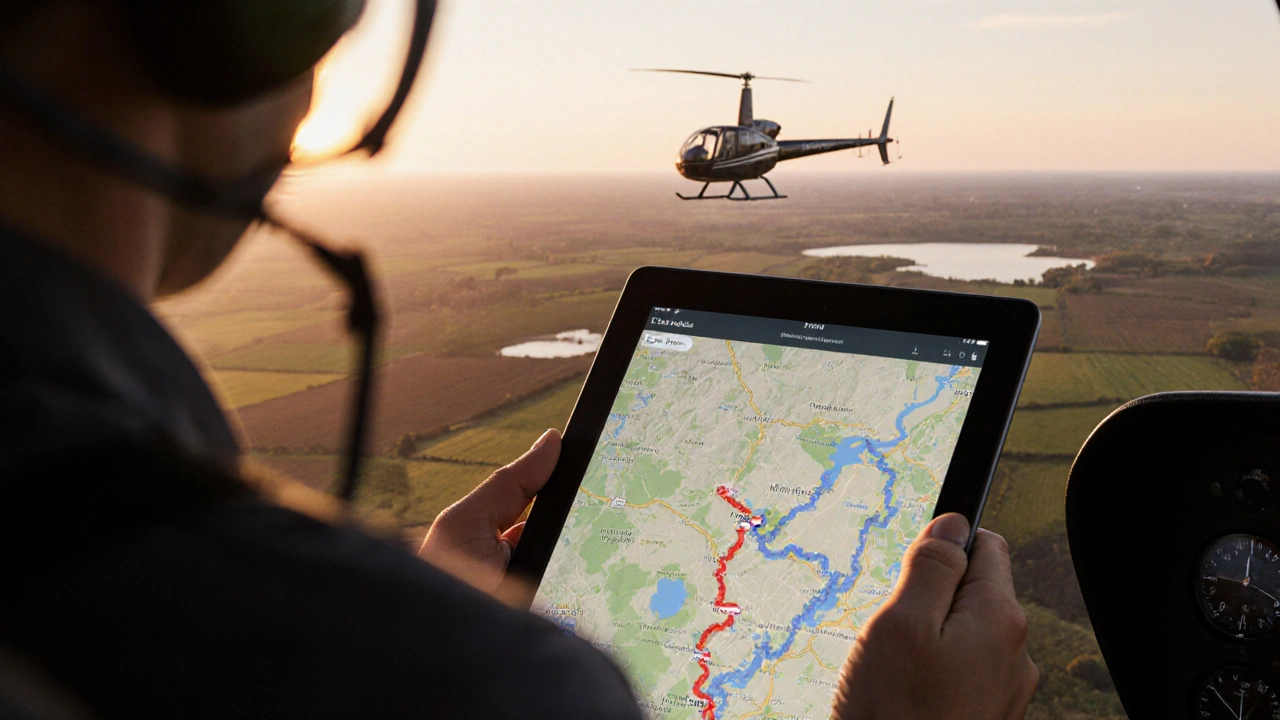
Helicopter Speed: How Long Does 6 Miles Take?
Learn how to calculate helicopter travel time for a 6‑mile distance, including speed basics, wind and altitude effects, model comparisons, and a quick‑calc checklist.
Read MoreWhen you think about a 6 miles distance, the stretch you plan to cover on foot, bike, or by car while exploring nature. It’s often called short‑range outing, a handy benchmark for day‑trippers who want to stay within their energy limits. Understanding this range becomes the backbone of any park visit, whether you’re chasing a waterfall or heading back to your car before sunset.
Most visitors apply the 6 miles distance rule inside National Parks, protected areas with dense trail networks and scenic loops. When you pair that with a good Camping overnight stay that often revolves around how far you can hike to a site, you instantly get a realistic picture of how much ground you can cover without overexertion. In practice, a 6‑mile hike can land you at a beautiful campsite, a viewpoint, or a ranger‑run picnic area.
Every trail has a length, elevation change, and difficulty rating, all of which shape whether it fits inside your 6‑mile window. A Trail, a marked path that guides hikers through varied terrain of 5 to 6 miles often provides a satisfying loop: you start at the visitor center, wander through forest or canyon, and return with enough time for a snack break. If the trail pushes beyond six miles, many parks suggest using shuttle services or splitting the hike into two days.
Shuttle services act like moving parking spots, dropping you off at trailheads that would otherwise be too far to walk. In parks where shuttles run, a 6‑mile distance can include both the shuttle ride and a short walking segment, letting you explore more without driving yourself. This hybrid approach works well for families with kids or anyone who wants to minimize fatigue.
Picnic spots are another natural fit for the six‑mile rule. Most park maps mark designated areas that sit within a short walk from main roads or trailheads. By targeting a picnic site under six miles away, you keep the day relaxed, avoid long back‑and‑forth trips, and still soak up scenery. Many of these spots also include restrooms and water fountains, adding extra comfort.
Wildlife viewing often benefits from staying within a manageable distance. Animals tend to be more active in lower‑traffic zones, which are usually reachable in a six‑mile hike. Whether you’re hoping to spot elk in the early morning or catch a glimpse of a bald eagle near a lake, staying within this range lets you move quietly and return before dusk.
For cyclists, a six‑mile loop can be a perfect Sunday ride. Many parks feature bike‑specific trails that are flat, well‑maintained, and loop back to the parking area. By planning a ride that stays under six miles, you avoid over‑exertion and keep the experience enjoyable for riders of all skill levels.
All these pieces—national parks, camping, trails, shuttles, picnics, wildlife, and bike paths—connect through the simple idea of a six‑mile distance. Below you’ll find articles that dig deeper into each topic, offering tips, cost guides, seasonal advice, and real‑world examples to help you make the most of your next short‑range adventure.
Learn how to calculate helicopter travel time for a 6‑mile distance, including speed basics, wind and altitude effects, model comparisons, and a quick‑calc checklist.
Read More